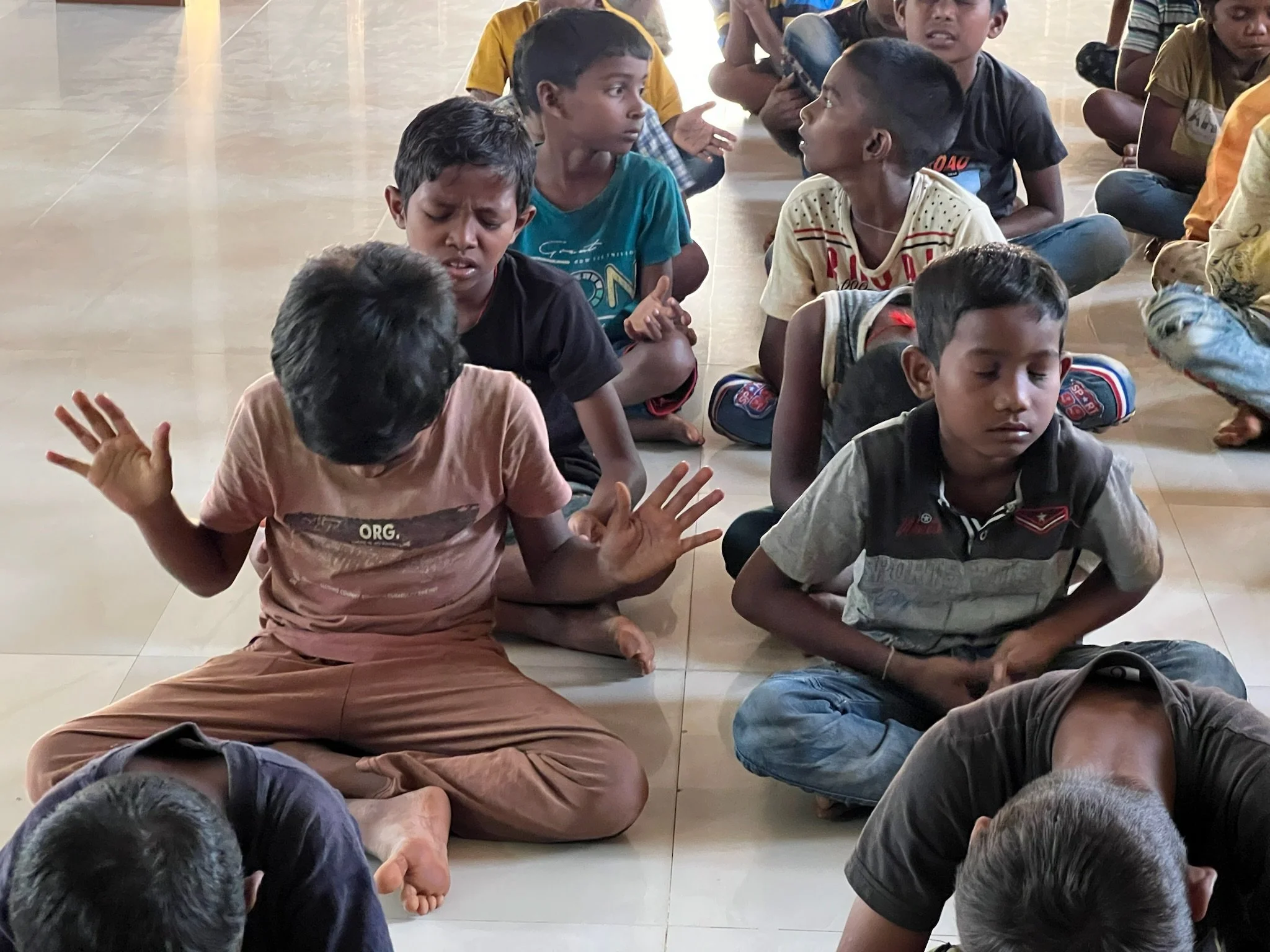
Kesinga, Odisha, India. Population: approximately 40,000. Located in one of the most economically marginalized states in the country.
This is where the Caleb India campus sits — a walled compound of dormitories, classrooms, a kitchen, and a chapel, surrounded by farmland and a culture that, for many of these children, would have offered nothing but poverty and exploitation.
Inside: 70+ children. 25+ staff. One mission. Every child deserves a family, an education, and a future.
How Children Come to Caleb India
The children at Caleb India don't come from one kind of story. They come from dozens of different tragedies — all of which share a common thread: without intervention, their futures were already written.
- •Children who lost both parents to disease, accident, or extreme poverty
- •Children whose fathers were killed in farming accidents with no social safety net available
- •Children from tribal communities where traditional harmful practices would have defined their futures
- •Children rescued from situations of exploitation or bonded labor
- •Children whose mothers, facing impossible circumstances, had no other option
In Rachit's case, his father was severely injured in an accident, his mother left for labor in another city, and he was living in a thatched hut in a jungle village with no way forward. Read Rachit's full story here.
What Caleb India Provides
The care at Caleb India is holistic — addressing every dimension of a child's development. This is not a warehouse for orphans. It is a home.
- •Education: All children attend school through the local school system, with academic support provided on campus. Staff monitor progress, assist with homework, and work with teachers on individual student needs.
- •Medical care: Regular health check-ups, medication when needed, and a referral network for specialist care. In a region where many families have no access to basic healthcare, this is transformative.
- •Nutrition: Three meals a day, prepared with care by staff like Nili — whose own story of redemption is woven into every meal she prepares.
- •Spiritual formation: Chapel services, prayer, Bible stories, and faith community are central to campus life. Children grow up knowing they are loved not just by the staff, but by God.
- •Mentorship and belonging: Staff form real relationships with children. Children have adults in their lives who know their names, their struggles, their dreams. This is what the research calls 'secure attachment' — and it changes outcomes for life.
- •Vocational preparation: Older children receive preparation for life after school — including vocational skills and connections to opportunities that would otherwise be unavailable to them.
The Staff Who Make It Possible
Caleb India employs 25+ staff members — many of them from the local community. This is intentional. Staff members understand the cultural context. They speak the local language. They share the children's background in ways that outside missionaries never could.
Several staff members have their own stories of redemption. Nili, the head cook, was a widow who gave up her newborn in desperation before finding Caleb India. Her story is one of the most powerful pictures of restoration we've witnessed.
This is the indigenous church model in practice. Labor of Love doesn't send Western missionaries to run Indian orphanages. We support Indian leaders who are living and serving among their own people. This is more effective, more sustainable, and more dignifying to the communities we serve.
The Expansion Vision: 160 Children
The current campus has capacity for 70+ children. The vision — already in development — is to expand to 160 children. This expansion will require new dormitory facilities, additional staff, and increased operational funding.
The need is not abstract. There are children in the surrounding communities right now who need exactly what Caleb India offers. The limiting factor is not the will or the vision — it's the funding.
A monthly gift of $50 sponsors a child's education for a month. A gift of $200 covers monthly food for three children. A one-time gift of $2,500 funds a freshwater well for an entire community. Learn more about sponsorship opportunities here.
"I lost everything. But God gave me back my life. Now I give it to these children. Every meal is my gift of love to them."
— Nili, Head Cook, Caleb India
Beyond Caleb India: Pastor Training and Clean Water
The work in India extends beyond the Caleb India campus. Labor of Love also supports:
- •Bible Training Centers: Two centers — in Raipur and Kesinga — providing theological education and ministry training to indigenous pastors and lay leaders. 80+ pastors trained to date.
- •Wells of Hope: Freshwater wells built for rural communities where Christians are denied access to the communal water supply. Each $2,500 well serves an entire village.
- •Thailand Operations: Expanding church-based orphan care partnerships with local congregations in Thailand.
Why International Orphan Ministry Matters to the Local Church
Some churches feel a tension between local needs and global missions. The answer is not to choose — it's to see how they're connected.
A church that cares for orphans globally builds a culture of generosity and compassion that overflows into local foster care engagement. A church that mobilizes around foster care locally develops the vision and theological infrastructure to support global orphan work. They're not competing priorities — they're the same heartbeat, expressed in two contexts.
Globally, 140 million children have been orphaned or abandoned. The local church — the 380,000 congregations in the United States — has the collective capacity to transform that statistic. But it requires intentional engagement. It requires pastors who preach it. Congregations who give. Organizations like Labor of Love who build the infrastructure on the ground.
Explore how to support Caleb India — or learn about all of our global work.
Support This Mission
Your giving directly funds foster care support, orphan care in India, indigenous pastor training, and clean water wells for persecuted communities.
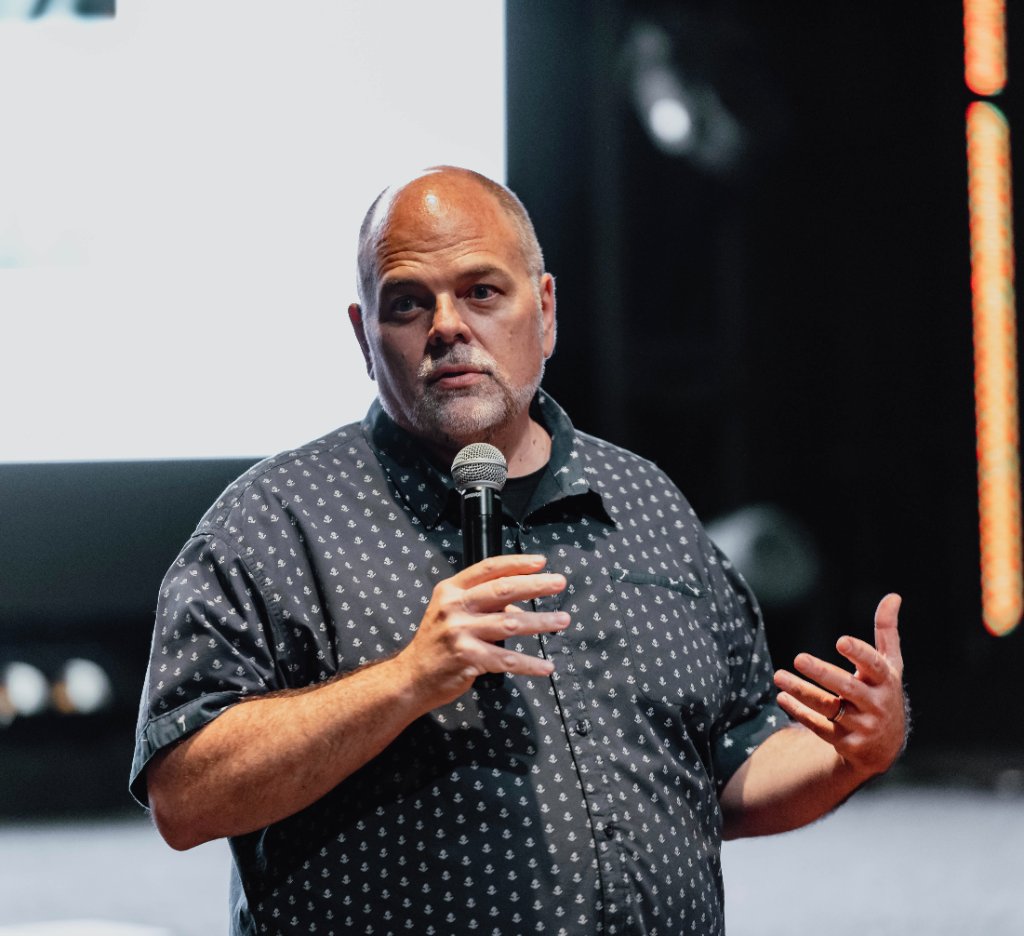
Wayne Lanier
Founder & Executive Director, Labor of Love International Ministries
Wayne Lanier has 35+ years of experience in foster care, adoption, FASD advocacy, and global orphan ministry. He and his wife Diana adopted five children through the foster care system and co-founded Labor of Love International Ministries to equip local churches to care for vulnerable children in the U.S. and around the world.
Read more about Wayne & Diana →Related Resources