
Right now, over 400,000 children in the United States are living in foster care — waiting for stability, safety, and someone to show up.
The state can remove a child from danger. But the state cannot provide a family. Courts can assign a caseworker, but they cannot replace a mother's voice at bedtime or a father's presence at a school play. Government systems were built to manage the crisis of child welfare. They were never designed to solve it.
Only the Church can do that. The local church has something no government agency can replicate: people in every zip code, relationships that span generations, a theological foundation that calls us to love the vulnerable, and a 2,000-year track record of caring for those society has left behind.
The question isn't whether your church should be involved in foster care. The question is how.
Why the Church Is Uniquely Positioned
When a child is removed from an unsafe home, the church is often the only institution in a community with the relationships, the infrastructure, and the theology to respond holistically. Consider what a mobilized, equipped congregation can offer:
- •Immediate placement capacity: A congregation of 300 families has potentially dozens of households that could provide emergency or short-term foster care.
- •Ongoing support for foster families: Foster parents don't need pity — they need practical help. Meals, childcare, respite weekends, school pickups.
- •Community for isolated families: Foster and adoptive parents are often isolated. The church is designed for community.
- •A theological framework: The church can tell a child — and a family — that they are seen, known, and valued by God.
- •Long-term commitment: Unlike government programs, the church doesn't close at 5pm or lose funding. She's been around for 2,000 years.
5 Practical Ways Your Church Can Support Foster Families Today
1. Launch a Foster Care Awareness Ministry
Start with education. Host a Foster Care Sunday — a single weekend where your pastor addresses the foster care crisis from the pulpit, local foster families share their stories, and your congregation is invited to take a next step. Most people don't foster because no one has ever asked them to consider it.
2. Build a Respite Care Network
Respite care is one of the most urgent unmet needs in the foster care world. Respite providers take foster children for weekends or short periods to give primary foster parents a break. Your church can train and certify a group of families specifically for this role — creating a support network that prevents placement breakdowns and burnout.
3. Create a Practical Support Team
Many foster families don't need more information — they need more hands. Form a dedicated team of volunteers who commit to:
- →Providing meals during placement transitions
- →Offering emergency babysitting when court dates arise
- →Donating children's clothing and supplies
- →Driving children to appointments and school
- →Offering a listening ear after hard days
4. Provide FASD Training and Trauma-Informed Education
An estimated 80% of children in foster care have experienced significant trauma. A significant portion — potentially up to 25% — have been affected by prenatal alcohol exposure, known as Fetal Alcohol Spectrum Disorders (FASD). Standard parenting strategies often backfire with these children. Churches that equip foster families with trauma-informed care training change outcomes dramatically.
Labor of Love offers FASD training resources specifically designed for faith communities. Learn more about our FASD support programs.
5. Partner with Your Local Child Welfare System
Most local Department of Child and Family Services offices are desperate for community partners. Schedule a meeting with your local foster care recruiter. Ask what your church can do. Ask what children in your zip code need most. You may be surprised by how eager they are to work with a faith community that's serious about showing up.
The Mephibosheth Model: A Biblical Framework
In 2 Samuel 9, King David asks a single question about the orphaned son of his covenant friend Jonathan: "Where is he?" That question set in motion a remarkable act of restoration. David gathered specific people with specific roles — some to find the child, some to gather resources, some to steward ongoing care — and he brought that child to eat at his table.
This is the picture of what God asks of His Church today. Not every family is called to foster. Not every person is called to adopt. But every person has a role. Some bring the child. Some fund the care. Some build the community around the family.
"Pure and genuine religion in the sight of God the Father means caring for orphans and widows in their distress and refusing to let the world corrupt you."
— James 1:27 (NLT)
A Framework for Getting Started
Labor of Love International has developed a five-stage church mobilization framework that takes congregations from awareness to action:
- 1Inspire: Build vision and awareness within your congregation through education and storytelling.
- 2Explore: Assess your church's current capacity, gifts, and community context.
- 3Equip: Provide training, tools, and partnerships for foster families and support teams.
- 4Fund: Build sustainable financial infrastructure to support your foster care ministry.
- 5Launch: Activate your ministry and sustain it with ongoing coaching and accountability.
Take our free Church Readiness Assessment to find out where your congregation is in this framework and what your best next step looks like.
The Stakes Are High — But So Is the Church's Capacity
If even 10% of U.S. churches took in one foster child, there would be no children waiting for a home tonight. The foster care crisis is not beyond the Church's capacity to solve. It's within the Church's capacity, if she chooses to embrace the call.
Your church can be part of this. Wayne Lanier and the Labor of Love team are available to walk with you — from that first conversation to a thriving foster care ministry. Schedule a call with Wayne today.
Support This Mission
Your giving directly funds foster care support, orphan care in India, indigenous pastor training, and clean water wells for persecuted communities.
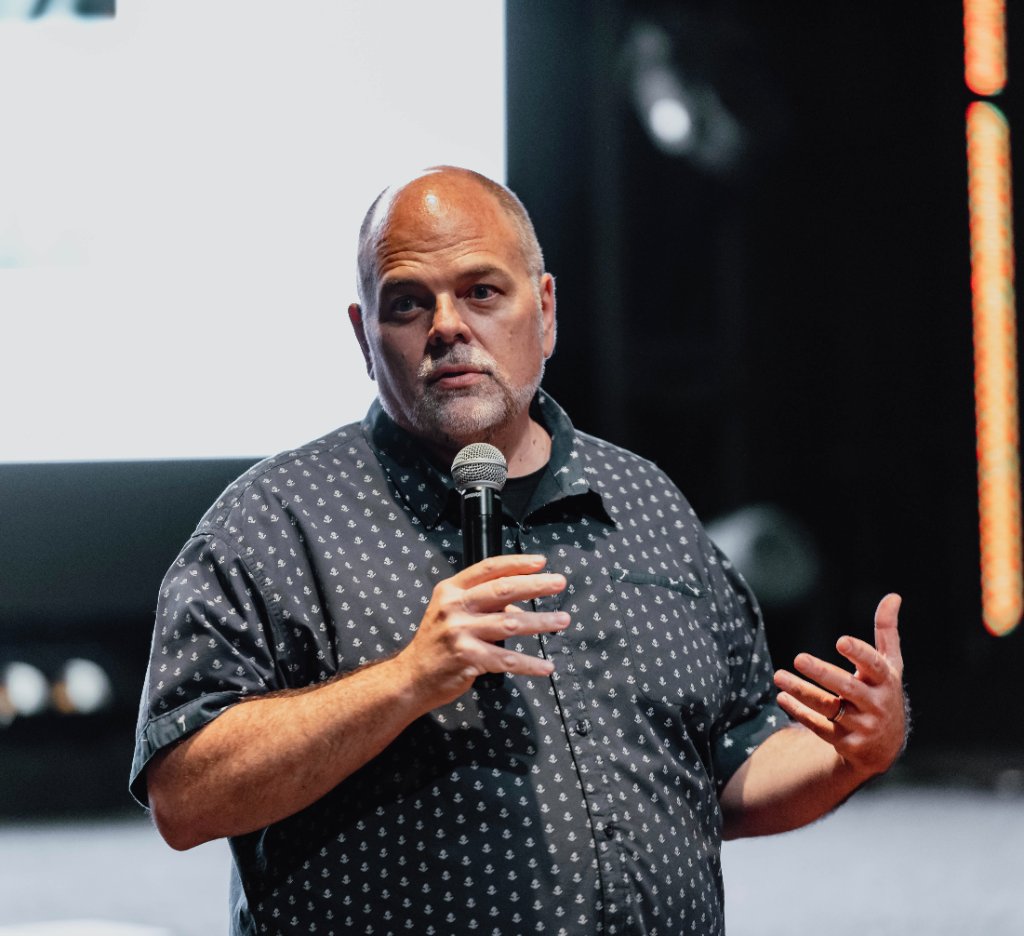
Wayne Lanier
Founder & Executive Director, Labor of Love International Ministries
Wayne Lanier has 35+ years of experience in foster care, adoption, FASD advocacy, and global orphan ministry. He and his wife Diana adopted five children through the foster care system and co-founded Labor of Love International Ministries to equip local churches to care for vulnerable children in the U.S. and around the world.
Read more about Wayne & Diana →